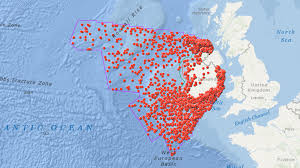
The Home Page of Irish Wrecks Online welcomes visitors with a simple but informative layout centered on exploring Ireland’s maritime wreck heritage. It prominently features an interactive map inviting users to click for wreck information by area, along with quick links to lists of dived wrecks by name and all wrecks by county. The page also highlights the latest updates, ship type illustrations, and terminology used on the site, making it a gateway into the extensive wreck records. Additionally, it provides references, conditions of use, and contact details for contributors and photo submissions.
The Links page on the Irish Wrecks Online site offers curated external resources related to maritime history and shipwrecks around Ireland. It features links to stories like the legendary Ouzel Galley, whose tale blends folklore with maritime lore, illustrating the site’s interest in both documented wrecks and maritime mysteries. The page also connects users to institutions such as the Arklow Maritime Museum and other relevant organizations that preserve maritime heritage and educate about coastal history. These links enhance the database by providing broader historical context and additional avenues for exploration beyond the wreck listings themselves.
The News page on the Irish Wrecks Online website provides updates and articles related to shipwreck discoveries, maritime heritage, and ongoing research around the Irish coast. It highlights newly recorded wrecks, revisions to existing records, and notable underwater surveys carried out by divers, historians, and marine archaeologists. The page also shares information on exhibitions, publications, and significant maritime events, helping to keep readers informed about developments in Irish maritime history. By combining factual reporting with specialist insight, the News page supports the site’s role as a living, evolving resource rather than a static database of wrecks.
The Maritime Research page on the Irish Wrecks Online website outlines the research methods and sources used to document Ireland’s shipwreck heritage. It explains how historical records, newspapers, shipping registers, and archival documents are combined with diver reports and underwater surveys to build accurate wreck histories. The page emphasizes the importance of careful investigation, cross-referencing sources, and correcting errors over time as new evidence emerges. By describing this research process, the page demonstrates the scholarly approach behind the database and reinforces the site’s credibility as a valuable resource for historians, divers, and anyone interested in Ireland’s maritime past.

The Maritime Interest page on Irish Wrecks Online highlights a wide range of topics connected to Ireland’s rich seafaring heritage. It brings together articles, notes, and resources on ships, harbours, navigation, lifeboat services, and maritime life beyond individual wrecks. The page acts as a gateway for researchers, divers, historians, and enthusiasts seeking broader context for shipwrecks around the Irish coast. By combining historical detail with practical maritime information, it helps readers understand how trade, fishing, warfare, and coastal communities shaped Ireland’s relationship with the sea over centuries, and remains a valuable reference point for anyone interested in maritime studies today.
The Maritime Photography section of the Irish Wrecks Online website highlights the importance of visual records in documenting Ireland’s maritime heritage. It presents a curated collection of photographs that capture shipwrecks, coastal vessels, harbours, and maritime activity, both above and below the waterline. These images support the written wreck records by providing visual context, helping users better understand a vessel’s condition, setting, and historical significance. The section is particularly valuable to researchers, divers, and historians, as it preserves rare and sometimes unique photographic evidence. Overall, Maritime Photography enhances the site’s mission to record, interpret, and share Ireland’s rich maritime past.

The Ship Sites section of the Irish Wrecks Online website provides detailed information on the locations of known shipwrecks around the coast of Ireland. It acts as a central reference point where users can explore wreck sites by name, location, or vessel type, linking each site to historical records and supporting data. This section helps contextualise how and where ships were lost, often connecting individual wrecks to broader themes such as trade, conflict, or navigation hazards. Designed for researchers, divers, and maritime historians, Ship Sites plays a key role in mapping and preserving Ireland’s underwater cultural heritage.
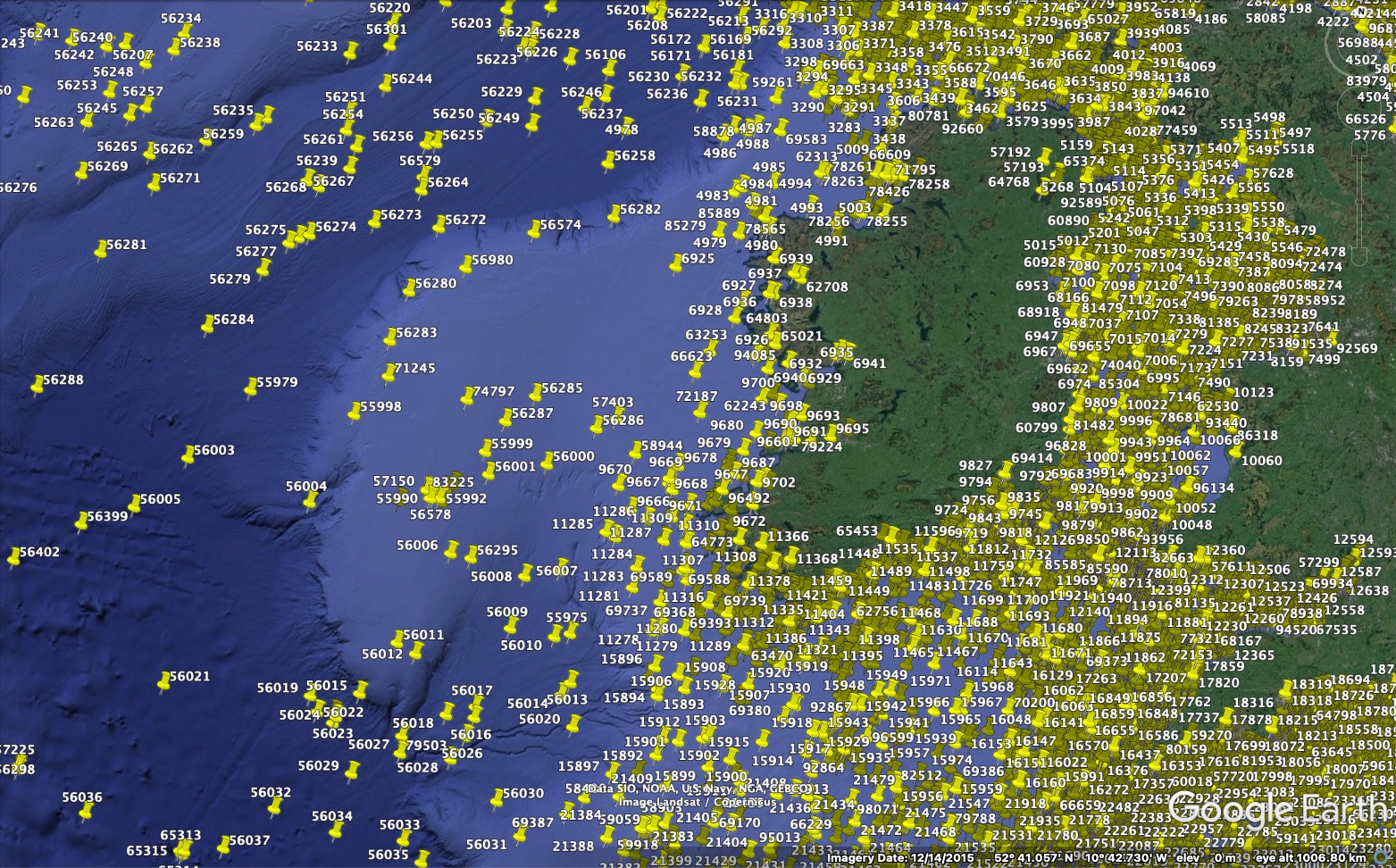
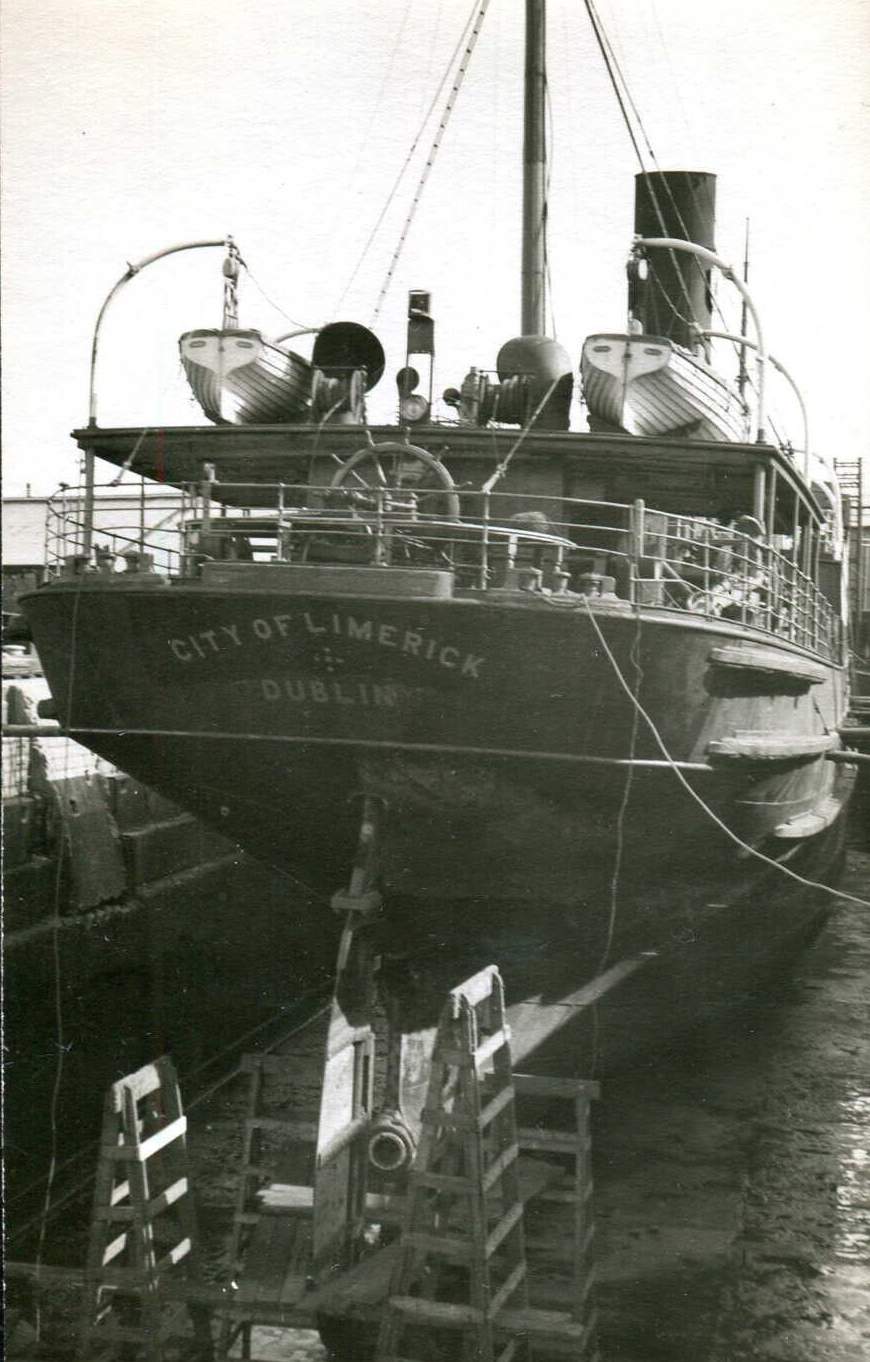
The Limerick S S, Co section on the Irish Wrecks Online website catalogs shipwrecks and vessel losses connected to the Limerick Steamship Company and wrecks in County Limerick/Shannon Estuary waters. It lists historic vessels—including steamers and other merchant ships—that sank, were stranded, or otherwise lost while operating on regional trade routes. One example is the Moyalla, a Limerick steamer recorded as striking rocks and sinking in 1946. The site’s Limerick/estuary list also features many wrecks by year, name, vessel type, cargo, and brief comments about their fate, drawing on multiple maritime research sources.
Irish Wrecks Online’s About page introduces visitors to a dedicated resource for exploring Ireland’s rich maritime past. It explains the project’s origins, highlighting a passion for preserving the stories of ships lost around the Irish coast. The page outlines the site’s mission to gather historical records, survivor accounts, photographs, and research contributed by divers, historians, and enthusiasts. It emphasizes accuracy, community collaboration, and the ongoing effort to expand and refine the database. Visitors learn how the site supports education and heritage conservation while offering an accessible platform for anyone interested in shipwrecks, maritime archaeology, or Ireland’s seafaring history.
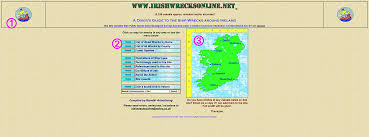
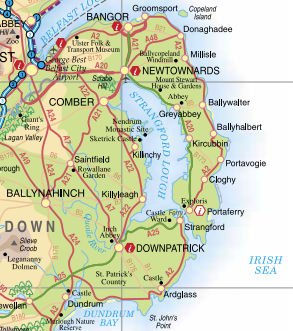
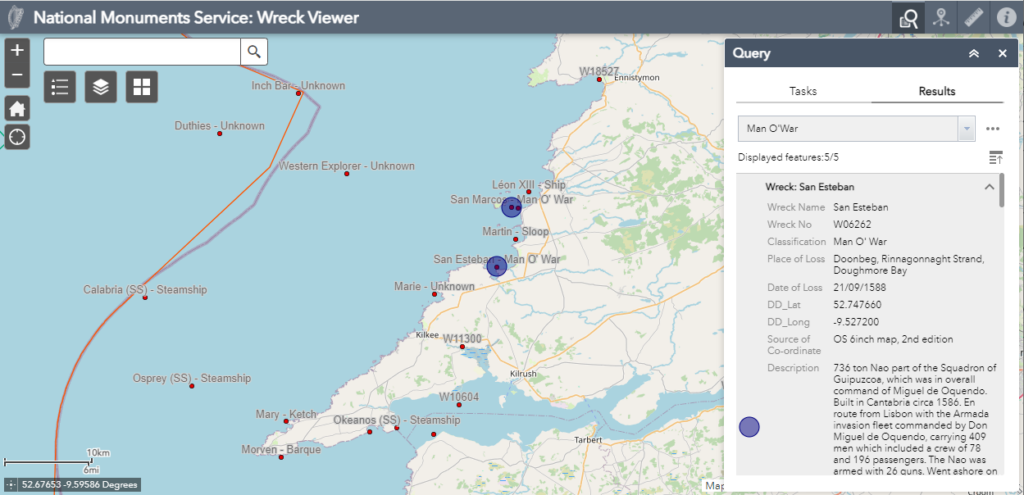
The “Locations Page” on Irish Wrecks Online serves as a navigational and informational hub that helps users explore shipwrecks around Ireland by geographic area. It typically lists wrecks organized by county or region and links to detailed wreck entries, often reached via an interactive map or indexed lists showing known wreck sites and their approximate positions. Users can click on a map or select a location to see wreck names and related historical data, making it easier for divers, historians, and enthusiasts to find and learn about wrecks in specific parts of the Irish coast.


 1
1 2
2 3
3